


Tricky Doors
4.41.71K Reviews
App Specs
- Version
- 1.25.10118.247.1271
- Updated On
- License
- Free
- Downloads
- 5,000,000+
- Developer
- FIVE-BN GAMES
- Categories
- Adventure
- Platform
- Android
Screenshots
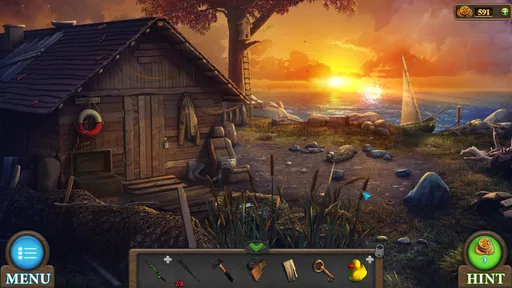
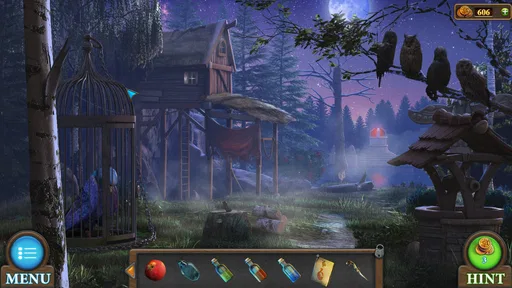
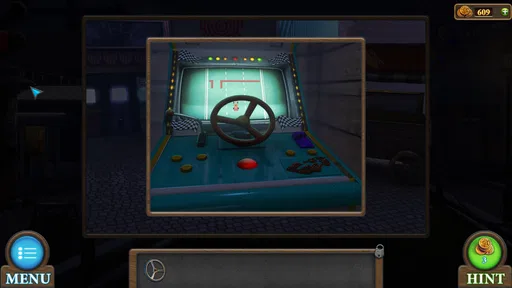
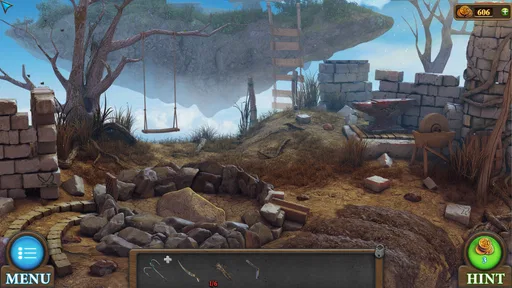
 Analysis by AppCompare
I’m most drawn to Tricky Doors for the way it turns a locked exit into a chain of small reasoning problems. Rather than asking me to solve one abstract riddle after another, it gives me a room to inspect, objects to notice, and clues that may only make sense after I’ve tried a few things. That makes each level feel like a compact escape-room visit, which is a satisfying format when I want a bit of focused play without committing to a long adventure.
The Gameplay Experience
Alright, so here's the deal. Tricky Doors is all about solving puzzles to unlock doors and move to the next level. Sounds simple, right? Well, it starts off that way, but as you progress, the puzzles become increasingly challenging and require a fair bit of brainpower. Each door you unlock brings you to a new, beautifully designed room full of clues and items to interact with.
The game throws you into a world of creative scenarios. Whether it's a medieval castle or a futuristic lab, each level offers a unique setting and set of puzzles. The transitions between levels are seamless, and the artwork is seriously top-notch. It almost feels like you're part of a mini escape room adventure every time you play.
Reading a Room Instead of Guessing at It
In practice, I get the most out of a level when I slow down before tapping everything. I scan the whole scene first, then revisit details that look out of place, and keep track of objects I’ve collected. That simple routine helps separate useful clues from decoration and reduces the urge to repeat the same random taps. If a code or mechanism doesn’t make sense yet, I look for another part of the room that might explain it rather than assuming I missed a hidden button.
The item puzzles also reward a little patience. When something can be picked up, I try to remember where it came from and what kind of problem it might suit, instead of immediately using it on the nearest object. A clue found in one part of a room may only become useful after another obstacle reveals what it refers to. This makes the solving feel more like connecting observations than simply collecting keys.
Graphics and Sound
Visually, Tricky Doors is a treat. The developers have put a lot of effort into the graphics, which are detailed and vibrant. Each room is crafted with a unique aesthetic that draws you in and makes you want to explore every nook and cranny. The sound design complements the visual elements perfectly. The background music is subtle but sets the mood just right, while the sound effects are crisp and add a layer of realism to the gameplay.
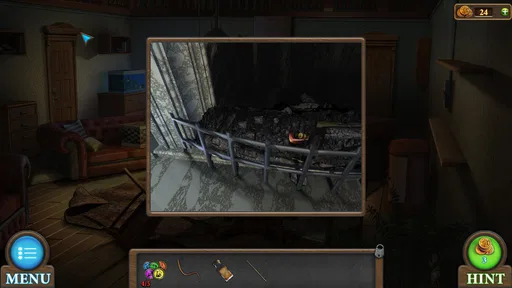
That detailed presentation has a practical side: a visually interesting scene invites a closer look, but it can also make careful searching feel slower if I’m playing on a small screen or in a hurry. I use the zoom option when an object or mark is difficult to judge, rather than treating it as a shortcut through the puzzle. Zooming is most useful after I’ve narrowed down the area I want to inspect; enlarging the entire scene without a question in mind can just make searching feel more laborious.
Worth Reading Before You Choose

EA SPORTS FC Mobile 26 Is a Bigger Football Game, but It Takes Time

Flipboard Shows What News Apps Must Do Beyond the Feed

Switching to Android Auto Means Rethinking Your Driving Routine

Google Calendar Makes a Crowded Week Easier to Manage

Ludo King Makes the Most of the Minutes Between Plans

Baby Panda World Brings Quick Play to Modern Phones, but Its Game Library Feels Busy
Engaging Puzzles
The heart of Tricky Doors lies in its puzzles. They're cleverly designed, requiring you to think outside the box. It's not just about finding a key and moving on; sometimes, you need to combine items or decipher codes to progress. There’s a gratifying sense of accomplishment when you finally crack a particularly tough puzzle. I found myself frequently going, "Ah, so that’s how it works!"
The game doesn’t hold your hand, which I appreciate. There are hints available if you get truly stuck, but the satisfaction of figuring things out on your own is what makes it so rewarding.
I treat hints as a way to get unstuck, not as a button to press whenever a puzzle takes longer than expected. Before using one, I check whether I’ve overlooked an item, failed to examine an obvious clue, or forgotten a mechanism elsewhere in the room. If I still cannot see a plausible next step, a hint can help restore momentum. That approach preserves the best part of solving while preventing a single confusing detail from ending a play session.
A Better Fit for Short, Focused Sessions
A realistic time to play is a quiet break at home or a stretch of waiting when I can give a puzzle my attention. One room can feel self-contained, so I can work through a clue, pause, and return later without needing to remember a sprawling plot. If I do stop midway, I make a mental note of the last object or mechanism I examined. That tiny habit makes it easier to resume than starting the next session by tapping around the whole room again.
It is less suited to moments when I’m distracted, rushing, or only half-looking at the screen. These puzzles depend on noticing relationships between objects and details; divided attention can make a fair challenge feel arbitrary. I also wouldn’t choose it when I want a fast reflex game or a story-led adventure with lots of character interaction. The appeal here is the act of inspecting and solving, not action or conversation.
Where It Sits Among Puzzle Adventures
Compared with a standard word puzzle or a number grid, this adventure format gives me a visual space to explore instead of a blank board. That makes it a stronger pick when I enjoy searching a scene and working out how objects fit together. Compared with a large escape-room game built around extended exploration, its room-by-room structure is easier to approach in short bursts, though players seeking a continuous world may find the self-contained levels less absorbing.
It also asks for a different kind of patience than a casual match game. There is no benefit in tapping quickly just to keep a streak going; I get further by forming a theory, testing it, and revising it when the room offers new evidence. If I prefer puzzles with one clearly stated rule and a quick answer, this may feel indirect. If I like the moment when several scattered clues finally click together, the format is a good match.
Replayability and Updates
One thing I love about Tricky Doors is its replayability factor. With frequent updates and new levels being added, there’s always something fresh to look forward to. Plus, revisiting older levels can be just as fun, especially if you’re trying to beat your previous completion times or aim for a perfect score.
The developers are pretty active and seem to genuinely care about user feedback, which is always a good sign. It means the game is constantly evolving with new content and improvements.
For me, replaying a room is most worthwhile when I want to understand a solution I rushed through or enjoy the setting again, rather than because I expect every puzzle to feel new a second time. If I’ve already learned the logic, repeating it may be less rewarding than moving to an unfamiliar scene. The draw is the chance to revisit the experience at my own pace, not a promise that replay will transform a solved level.
What to Know Before Installing
FIVE-BN GAMES made this free-to-play adventure, and its audience is broad: the age rating is Everyone. The game has an average rating of 4.4 from around 44,000 ratings, with over five million installs, which suggests that this particular blend of room exploration and puzzle solving has found a substantial audience. Its current version is 1.0.23.211.784, and it requires Android 7.1 or later.
Free to download does not mean every optional purchase is free: in-app purchases range from $0.99 to $19.99 per item. I’d approach the game as a puzzle experience first and decide whether any purchase is worth it only if I encounter a specific need. Players who want to avoid optional spending altogether should keep that distinction in mind, while anyone comfortable with a free download and paid extras can try the core experience before deciding how much it suits them.
The game has 1,700 reviews alongside its rating history, but those figures don’t tell me whether its puzzle style will suit a particular player. The more useful question is whether you enjoy visual searches, object-based problem solving, and the satisfaction of figuring out a room without constant direction. If you mainly want a gentle, clearly guided game, the limited hand-holding may frustrate you; if you like to work things out independently, it is part of the appeal.
User Interface
The user interface is intuitive and user-friendly. Navigation is a breeze, and the controls are responsive, making the overall experience smooth. Even if you’re not particularly tech-savvy, you’ll find it easy to pick up and start playing without any hiccups.
One neat feature is the ability to zoom in on certain areas, which comes in handy when you’re trying to spot those tiny, elusive clues. It’s these little touches that enhance the gameplay and make it more immersive.
On a phone, I find it useful to distinguish between a genuine puzzle and a missed detail before deciding I’m stuck. I inspect likely hotspots at a closer view, then zoom back out to reconsider how they relate to the rest of the room. This back-and-forth is a small but valuable workflow: close inspection catches fine details, while the wider view helps keep the room’s clues connected. It is a more deliberate way to play than repeatedly tapping every object.
Who Will Enjoy the Challenge
I’d recommend it to someone who likes escape-room puzzles but wants them divided into manageable scenes, or to a casual player who enjoys concentrating on one problem during a break. It can also suit friends or family members who like talking through a puzzle together, although the person holding the device still needs to inspect the room and make the interactions. The age rating makes it broadly accessible, but younger players who expect direct instructions may need patience with the trial-and-observation style.
I would steer away from it if I wanted a competitive score chase, a fast arcade loop, or a puzzle game that explains every rule before asking me to use it. The lack of hand-holding is rewarding for independent solvers but can become a barrier for players who dislike experimenting. Likewise, if detailed scenes feel tiring to search on a small display, a simpler interface or a text-based puzzle may be a more comfortable alternative.
Final Thoughts
In conclusion, Tricky Doors offers an engaging blend of puzzles, adventure, and stunning visuals. Whether you’re a seasoned puzzle solver or a newbie looking for a fun challenge, this game has something for everyone. It's the perfect way to unwind and get lost in a world of mystery and intrigue.
So, if you’re up for a challenge and love a good puzzle, give it a shot. You might just find yourself pleasantly surprised by how captivating it is. And who knows, you might even discover a hidden passion for solving tricky puzzles!
Pros
- Engaging puzzles keep the mind active.
- Beautiful graphics enhance the experience.
- Wide variety of levels for extended play.
- Intuitive controls make navigation easy.
- Regular updates add new challenges.
Cons
- Can be challenging for beginners.
- In-app purchases can add up quickly.
- Occasional glitches disrupt gameplay.
- Requires internet for some features.
- Ads can be frequent and intrusive.
FAQs for Tricky Doors
What is Tricky Doors and how does it work?
Tricky Doors is an engaging puzzle-adventure game available on both Android and iOS. The game challenges players to solve a series of intricate puzzles and unlock doors to progress through various levels. Each level presents unique challenges and requires a keen eye for detail and logical thinking. It’s perfect for players who enjoy a mental workout.
Is Tricky Doors free to play or does it require in-app purchases?
Tricky Doors is free to download and play, offering a variety of levels and puzzles at no cost. However, the game does include optional in-app purchases. These can enhance gameplay by providing hints or unlocking additional content. Players can enjoy the full experience without spending money, but purchases can help overcome particularly challenging puzzles.
What are the system requirements for Tricky Doors on Android and iOS?
For Android users, Tricky Doors requires a device running Android 5.0 or later. On iOS, the game is compatible with devices running iOS 9.0 or later. It runs smoothly on most modern smartphones and tablets, but it’s always a good idea to check your device’s compatibility before downloading to ensure optimal performance.
How challenging is Tricky Doors for new players?
Tricky Doors is designed to be accessible to both new and experienced players. The initial levels are relatively simple to help new players get accustomed to the gameplay mechanics. As players progress, the puzzles become increasingly complex, offering a satisfying challenge for those who enjoy testing their problem-solving skills.
Does Tricky Doors require an internet connection to play?
Tricky Doors can be played offline, making it a great option for gaming on the go without needing a constant internet connection. However, some features, such as accessing updates or making in-app purchases, will require an internet connection. Players can enjoy uninterrupted gameplay offline once the game is downloaded.


